Why Account Managers Aren’t Growing Revenue
Here’s a fun test to run with your account managers, ask them to fill in two blanks:
“I have ____% of my best customer’s wallet share. I am ____% sure.”
The first number will be all over the map. The second number is the one that hurts.
These are reps who know their customers’ kids’ names. Their vacation plans. Their coffee orders. Ask them what percent of that customer’s total possible spend is coming to them, and it’s a guess.
That’s the problem in one sentence: relationships alone don’t grow wallet share.
The Two Things Holding Your Account Managers Back
After 20 years of training account managers, I can tell you the gap almost always comes down to two things.
They don’t know where the growth is. They can’t see which accounts have room to grow, which are tapped out, and where the wallet share actually sits.
They don’t know how to start the conversation. Even when they spot an opportunity, bringing up expansion with someone they’ve served for years feels awkward. Salesy. Risky to the relationship.
READ: Why Your Customer Care Agents Should Be Upselling
This usually isn’t an effort problem. Your AMs are spending plenty of time with customers. They’ve simply been trained to serve and protect the account, not systematically grow it. Nobody ever showed them how to do this part of the job.
The 80/20 Trap
You know the rule: 80% of revenue comes from the top 20% of accounts.
Here’s the part nobody talks about. In plenty of account management teams, most of the AMs’ time goes to those same top accounts. Serving them, fixing orders, checking in, renewing.
So most of the team’s time is protecting revenue you already have. Meanwhile, the rest of the book might not have been meaningfully reviewed in a year.
Some of those accounts are small and will stay small. Others have far more potential than their current revenue suggests. Your AMs need a way to tell the difference.
That’s where the growth is hiding, in two places specifically:
- Wallet share in the top 20%. You probably don’t have all of it. See the quiz above.
- Potential in the bottom 80%. Some of those accounts are small for a reason. Others have more opportunity than anyone realizes because the team has been judging them by current revenue instead of future potential.
READ: How to Build an Account and Lead Qualification Strategy
“But we already get most of their business”
Do you? Here’s what customers have actually told our clients when they finally asked:
- “I didn’t even know your firm did that.”
- “A buyer before me set up that relationship.”
- “As a rule, we spread our spend between at least three vendors.”
- “Everyone here loves you, but we weren’t sure how else we could use you.”
Ouch. Every one of those is money sitting on the table at an account you already serve. Your customers spend all day thinking about their business, not your product catalog. Even the ones who love you.
Growth Is A Skill, Not A Personality Trait
The good news? Both problems are trainable.
Finding the growth means teaching AMs to qualify and categorize their book by potential, not by current revenue. Spoiler: your biggest accounts today usually aren’t your biggest growth opportunities.
From there, we teach eight specific lanes to grow wallet share:
- More of the same
- New SKUs
- New categories
- New buyers
- New departments
- New markets
- New locations
- Referrals to other buyers, teams, or companies
Every account has at least two or three of these open. Your AMs just need to know to look.
Starting the conversation means giving them the words. We teach an ask that leads with why it matters to the customer, adds a little humor or vulnerability, and lands the request without a whiff of desperation. Something like:
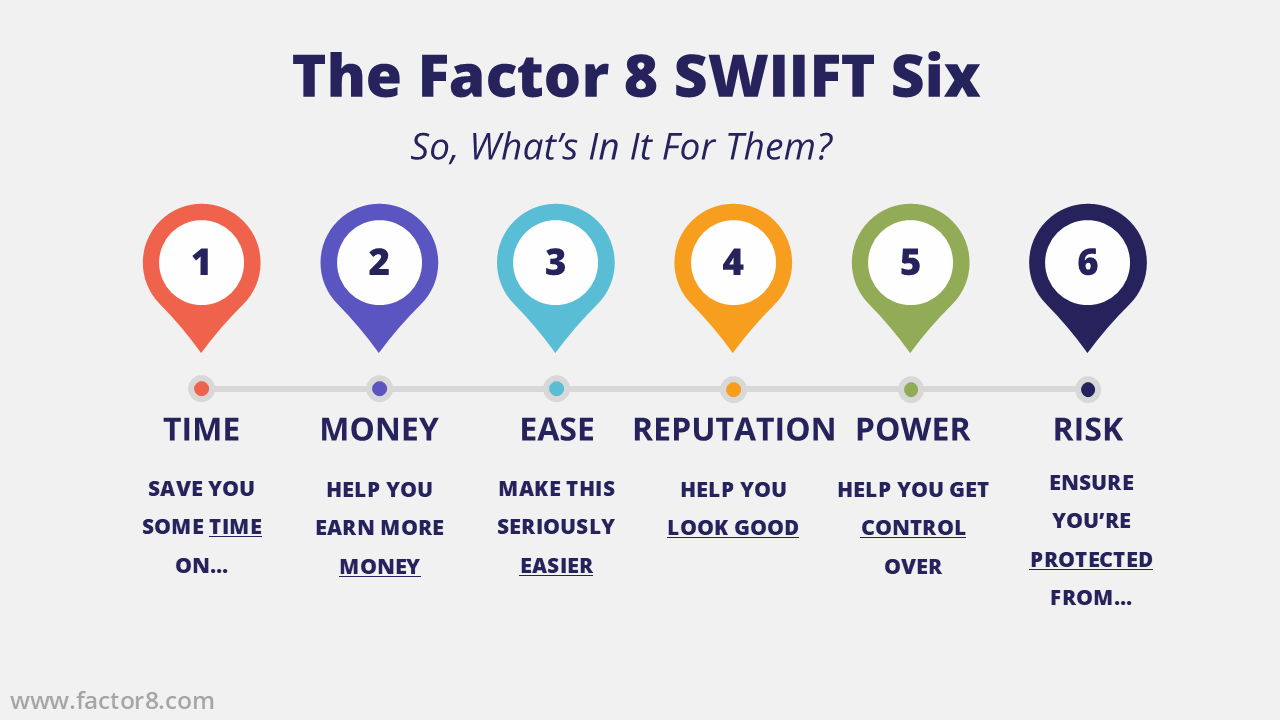
“I realize I know more about your family than your company at this point. If I don’t understand your goals and operations, I can’t make the best recommendations. Can we spend 10 minutes talking business?”
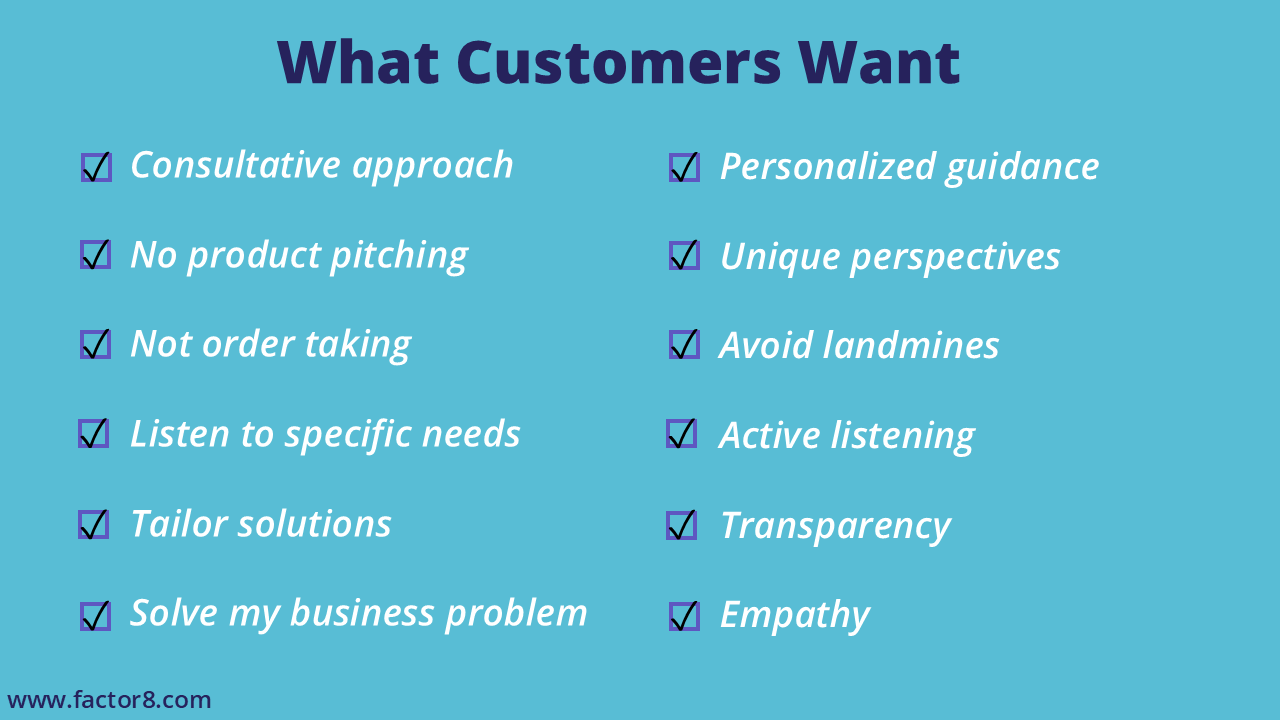
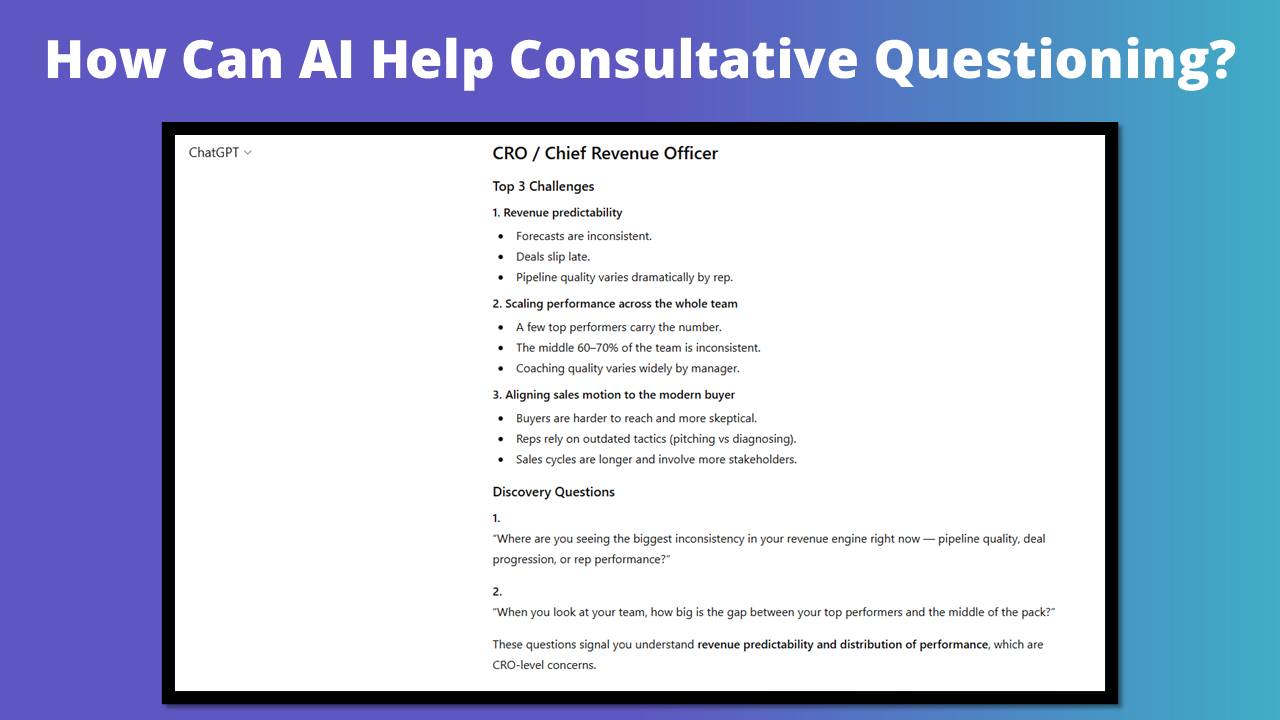
Once the customer agrees, your AMs also need to know which discovery questions will uncover priorities, gaps, upcoming initiatives, and additional ways to help.
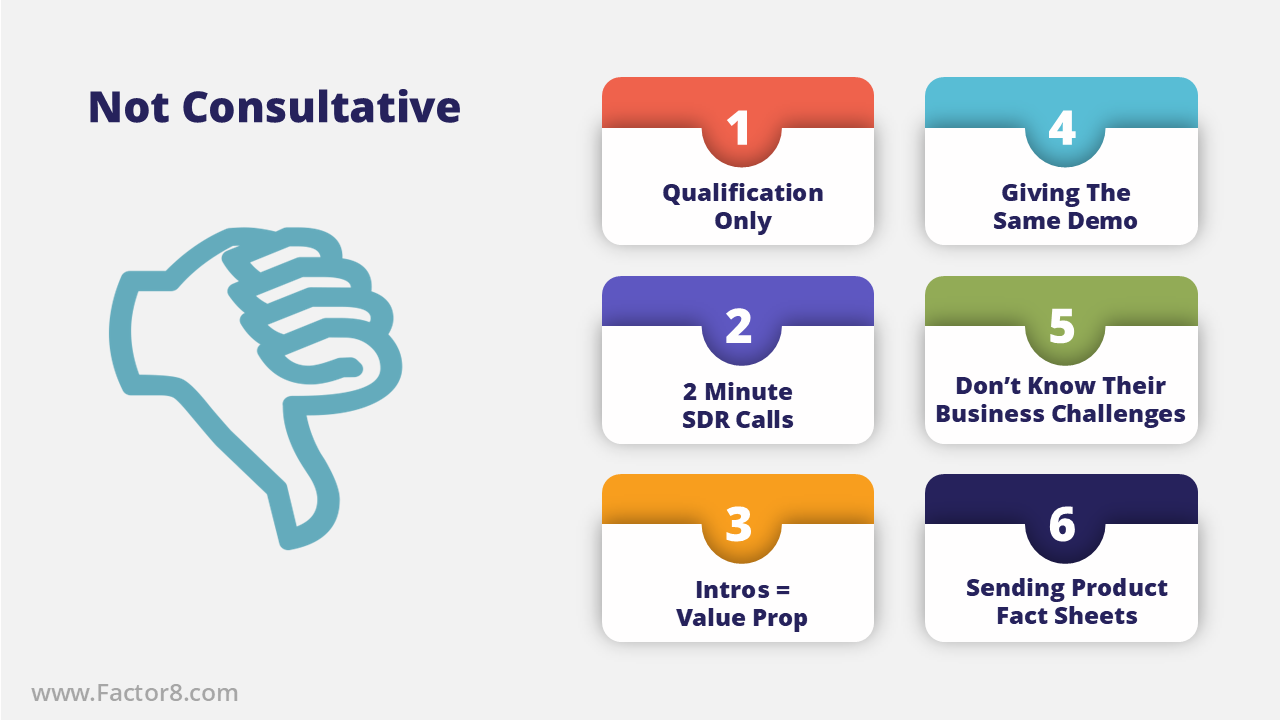
That’s not salesy. That’s consultative selling. Done right, the ask adds value to the relationship instead of risking it.
For The Leaders Reading This
If you saw your team in this post, trust me, you’re not alone. I hear it from sales and revenue leaders every week: great relationships, flat account revenue.
The fix isn’t a pep talk or a bigger quota. Skills beat motivation, every time.
Our account manager training walks reps through exactly this: how to find the growth in their book, how to categorize accounts by potential, and how to open the wallet share conversation with confidence.
Clients who’ve trained their AM teams with us have seen 67% growth in legacy accounts. One team uncovered $500K in new pipeline during the first week of training.
Explore our account management training or reach out and we’ll help you find the right fit for your team.
Your account managers already have the relationships. Let’s teach them what to do with them.