
Struggling to open cold calls without sounding scripted, awkward, or salesy?
The SWIIFT℠ Intro AI Prompt helps you generate clear, confident 10-second call openings that feel natural, relevant, and easy to respond to, so prospects actually engage instead of shutting down.
Built on Factor 8’s proven SWIIFT℠ introduction Framework, this prompt shows you exactly how to structure your opener, focus on one strong value, and ask simple questions that get conversations started.
What this prompt helps you do:
Create high-impact cold call intros in under 10 seconds
Hook decision-makers quickly without pitching or rambling
Sound confident, conversational, and prepared on every call
Show clear relevance to the prospect from the first sentence
Get prospects talking with simple, easy-to-answer questions
Use this prompt to generate AI-powered cold call and sales call intros you can adapt for any prospect, role, or industry.
Grab your download below!
Create Better Cold Call Intros With AI
Struggling to open cold calls without sounding scripted, awkward, or salesy?
The SWIIFT℠ Intro AI Prompt helps you generate clear, confident 10-second call openings that feel natural, relevant, and easy to respond to, so prospects actually engage instead of shutting down.
Built on Factor 8’s proven SWIIFT℠ introduction Framework, this prompt shows you exactly how to structure your opener, focus on one strong value, and ask simple questions that get conversations started.
What this prompt helps you do:
Create high-impact cold call intros in under 10 seconds
Hook decision-makers quickly without pitching or rambling
Sound confident, conversational, and prepared on every call
Show clear relevance to the prospect from the first sentence
Get prospects talking with simple, easy-to-answer questions
Use this prompt to generate AI-powered cold call and sales call intros you can adapt for any prospect, role, or industry.
Prospecting might be uncomfortable, time-consuming, and frustrating, yet it’s still the single biggest driver of pipeline.
No prospecting means no conversations. No conversations means no meetings. No meetings mean no deals. And no deals means a very awkward forecast meeting.
What makes this even more painful is that most sellers are putting in the time. They’re just spending it in the wrong places.
Our data shows reps spend the majority of their prospecting effort on email, social (hello LinkedIn), and texting because it feels safer and easier. Less rejection. Fewer awkward moments. More boxes checked.
But when you look at the meetings that actually get booked and the deals that actually close, the story flips.
In other words, prospecting isn’t broken. The way most sellers are taught to do it is.
Prospecting isn’t about grinding longer hours, blasting more messages, or hoping something sticks. It’s about prepping smarter, planning your day, and knowing exactly what to say and why before you ever pick up the phone.
Why Prospecting Feels So Hard Right Now (And Why You Still Can’t Skip It)
Selling today is loud.
Buyer inboxes are flooded. Spam filters are smarter. LinkedIn DMs are packed with copy-and-paste messages. AI has made it easier than ever to send more outreach, which means buyers are spending more time ignoring it.
At the same time, buyers are busy. Internal meetings. Budget reviews. Tool fatigue. Decision fatigue. Even when interest exists, attention is scarce.
Sellers feel this every day. In our research, reps are not asking for more pressure or more meetings. They want tools that make their job easier and training that helps them say the right thing. Managers feel the strain too. Burnout is real.
So yes, prospecting feels harder than it used to.
But here’s the part that hasn’t changed. You still can’t skip it.
Prospecting is how pipeline starts. It is how conversations begin. It is how deals enter the funnel instead of magically appearing halfway through it. What has changed is that the old spray-and-pray approach does not survive in this environment.
More emails will not fix it. More automation will not fix it. And “just try harder” definitely will not fix it.
Modern prospecting requires intention. Knowing who you are calling, why you are calling them, and what you are trying to accomplish in that moment. Not jumping straight to a pitch. Not forcing a meeting ask before you have earned it.
The answer is not more activity. It is better preparation.
The Real Goal of Prospecting (And Why Most Sellers Get It Wrong)
Most sellers go into prospecting with one goal in mind. Book the meeting.
On the surface, that makes sense. Meetings lead to opportunities. Opportunities lead to deals. Deals make quota feel slightly less awful.
But this mindset is where prospecting starts to break down.
When sellers treat every call, email, or voicemail like it has to end in a meeting, messages get heavy fast. Value props show up too early. Case studies sneak into voicemails. Discovery questions get asked before a buyer has even agreed to talk. Outreach starts sounding like a pitch instead of an invitation.
It also makes rejection feel personal. When the goal is “get the meeting,” anything short of a yes feels like failure. That wears people down quickly, especially when most prospecting attempts will not convert on the first touch.
Here’s the shift.
The goal of prospecting is not to book the meeting. The goal is tostart the conversation.
You cannot get home if you cannot get on first.
Prospecting works when you break it into smaller, more realistic goals.
Get their attention
Get a response
Get them talking
Once someone replies, calls you back, or engages, you have earned the right to sell. Not before.
This is why shorter messages work better than longer ones. Why curiosity beats credibility early. And why sellers who focus on engagement instead of pitching consistently build more pipeline with less effort.
Prospecting is not about forcing an outcome. It is about opening the door.
Prospecting Emails, Voicemails, and Call Intros Are Not the Time to Sell
This is where a lot of sellers lose momentum before they ever get started.
Early outreach is not the place to pitch. It is not the place for your value prop, your customer logos, your case studies, or your discovery questions. When sellers try to sell too early, buyers do exactly what you would do. They scan, decide “no,” and move on.
The purpose of early outreach is simple.
Get noticed. Get a response. Start a conversation.
That is it.
When sellers treat prospecting like a mini sales presentation, messages get long, tone gets salesy, and response rates drop fast. Shorter, lighter, more human outreach consistently works better because it respects the buyer’s time and attention.
Think engagement first. Selling comes later.
Speed Wins. Shorter Messages Work Better.
One of the biggest prospecting myths is that more preparation always equals better results. In reality, over-preparing often slows sellers down and keeps them stuck in research mode instead of having real conversations.
Speed matters in prospecting.
Shorter messages are easier to listen to, read, and respond to. Buyers are far more likely to engage with something that feels quick and low effort than something that feels like homework.
This applies across every channel:
Short call intros beat long explanations
Short voicemails beat detailed messages
Short emails beat value prop dumps
Your job is not to explain everything. Your job is to earn the next step.
Phone Still Works. You Just Need Support from Other Channels.
Despite how uncomfortable it feels, the phone continues to outperform every other channel when it comes to booking meetings and closing deals.
That does not mean email, LinkedIn, or text are useless. They matter. They support the phone. They reinforce familiarity. They help warm things up.
But they work best when they are part of a plan, not the plan.
The strongest prospecting strategies use multiple channels together, with the phone leading the way and digital channels supporting it.
How to Prep Before You Ever Start Prospecting
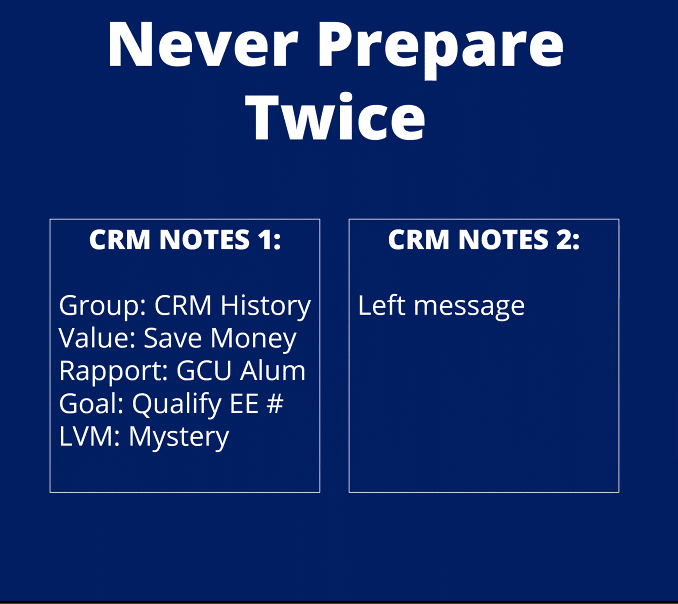
Good prospecting starts before the first dial. The goal is not to research everything. It is to prepare just enough so you can move quickly and stay consistent.
When Should You Call
Timing matters more than most sellers think. You don’t need to guess or test endlessly. Patterns are pretty consistent.
Best days to call: Tuesday, Wednesday, and Thursday
Best times to call: 8–9am and 4–6pm (local time)
Reaching executives: Before 8:30am and after 5pm
Sneaky underrated window: Friday late afternoon
Calling at the right time doesn’t guarantee a conversation, but calling at the wrong time almost guarantees you won’t get one.
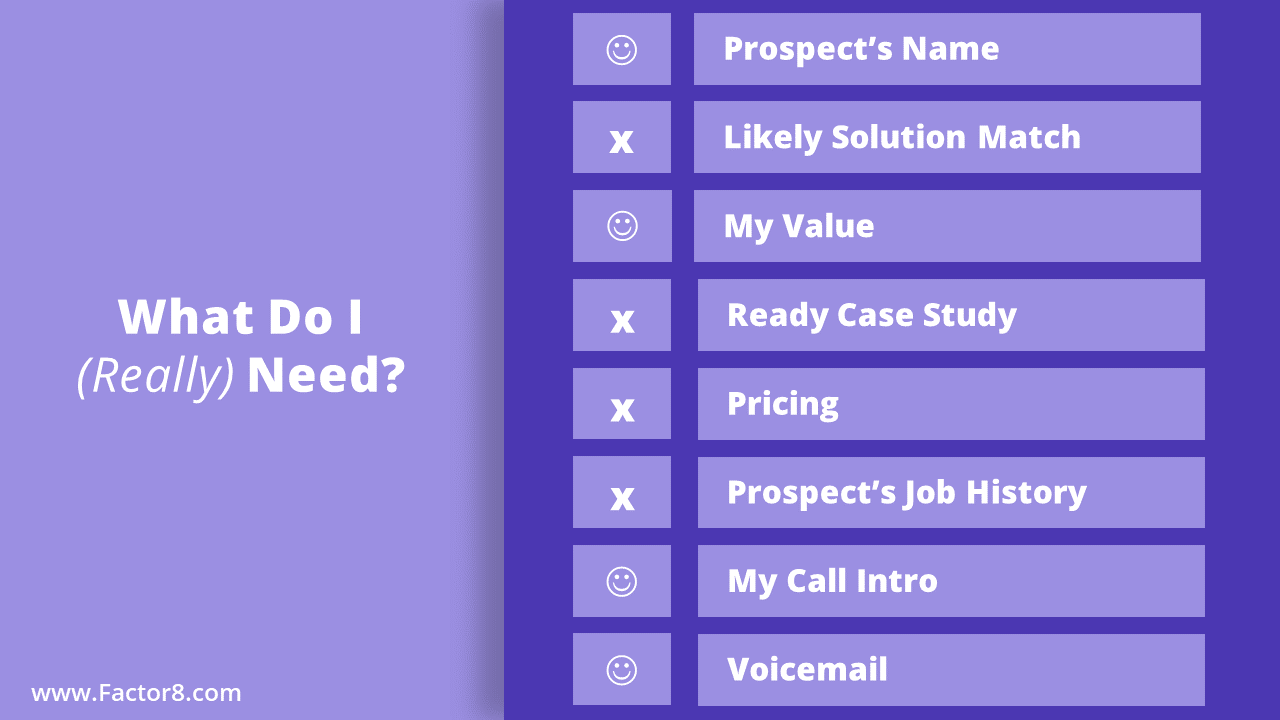
What You Need Ready Before You Call
A clear call goal
A short, practiced call intro
One rapport builder
A simple value hook
A voicemail plan if they do not answer
That is it.
You do not need pricing. You do not need a case study. You do not need their full job history.
Selling happens after the response, not before it.
Prospecting Is a Skill, Not a Personality Trait
Prospecting feels hard because most sellers were never taught how to do it well. They were taught to grind, push through rejection, and figure it out on their own.
There is a better way.
Prospecting works when sellers prep smarter, plan their day, and focus on conversations instead of outcomes. When done right, it takes less time, creates better engagement, and builds healthier pipeline.
Prospecting is not broken. It just needs to be done differently.
And when it is, everything downstream gets easier.
Subscribe to our email list to receive new content, webinar invites, and training offers.

How to Build a Strong Sales Pipeline: Prospecting Tips That Work
[Video Recording]
Build pipeline faster with smarter prospecting
Prospecting doesn’t have to feel painful. In this fast-paced Sales Shot webinar, you’ll learn how to build a stronger sales pipeline with a simple plan you can use every day.
You’ll get:
A daily prospecting checklist to organize your outreach
5 ways to group leads so your messaging feels instantly relevant
Real call talk tracks for intros, brush-offs, and voicemails that get replies
Perfect for sellers who want to fill the top of the funnel and book more conversations without spending all day “researching.”
Watch the video replay!
Build pipeline faster with smarter prospecting
Prospecting doesn’t have to feel painful. In this fast-paced Sales Shot webinar, you’ll learn how to build a stronger sales pipeline with a simple plan you can use every day.
You’ll get:
A daily prospecting checklist to organize your outreach
5 ways to group leads so your messaging feels instantly relevant
Real call talk tracks for intros, brush-offs, and voicemails that get replies
Perfect for sellers who want to fill the top of the funnel and book more conversations without spending all day “researching.”
Every outbound call is a chance to connect, but most reps lose it in the first 10 seconds.
Whether it’s a weak intro or a forgettable voicemail, your message determines if you get a conversation… or a delete.
That’s why we pulled together our best sales call introduction and voicemail scripts, plus the worksheets our own sales teams use to practice and personalize them, straight from our eLearning platform, The Sales Bar.
You’ll walk away with:
Sales prospecting scripts you can plug into your calls today
Templates for SWIIFT introductions and voicemails
Real-world messaging examples that drive engagement
Worksheets to help reps master intros and voicemails faster
Use these worksheets to help you open more doors, book more meetings, and feel more confident on every call.
Grab your downloads below!
Craft Stronger Call Intros and Voicemails
Every outbound call is a chance to connect, but most reps lose it in the first 10 seconds.
Whether it’s a weak intro or a forgettable voicemail, your message determines if you get a conversation… or a delete.
That’s why we pulled together our best sales call introduction and voicemail scripts, plus the worksheets our own sales teams use to practice and personalize them, straight from our eLearning platform, The Sales Bar.
You’ll walk away with:
Sales prospecting scripts you can plug into your calls today
Templates for SWIIFT introductions and voicemails
Real-world messaging examples that drive engagement
Worksheets to help reps master intros and voicemails faster
Use these worksheets to help you open more doors, book more meetings, and feel more confident on every call.
5 Most Common Sales Call Mistakes (with Real Call Examples)
[Video Recording]
Top Sales Call Mistakes to Avoid
Ever wish you could hear what other sellers actually sound like on live sales calls? Now you can.
In this Sales Shot, we’re hitting play on 5 sales call recordings. Real reps, real calls, and real mistakes (names redacted, of course). For every call, we’ll grade it live, break down what worked (or didn’t), and share practical tips for managers to coach the fix.
Expect honest feedback, simple tweaks, and powerful “aha” moments.
In this workshop, you’ll learn:
The 5 most common sales call mistakes (and how to fix them)
What “good” actually sounds like
Real-world coaching tips from our Sales Bar training
Fixes for intros, value props, objections, and more
Psychological hacks to get prospects talking
Whether you’re making the calls or managing the people who are, you’ll leave knowing exactly what to listen for, and how to make every call better.
Watch the video replay!
Top Sales Call Mistakes to Avoid
Ever wish you could hear what other sellers actually sound like on live sales calls? Now you can.
In this Sales Shot, we’re hitting play on 5 sales call recordings. Real reps, real calls, and real mistakes (names redacted, of course). For every call, we’ll grade it live, break down what worked (or didn’t), and share practical tips for managers to coach the fix.
Expect honest feedback, simple tweaks, and powerful “aha” moments.
In this workshop, you’ll learn:
The 5 most common sales call mistakes (and how to fix them)
What “good” actually sounds like
Real-world coaching tips from our Sales Bar training
Fixes for intros, value props, objections, and more
Psychological hacks to get prospects talking
Whether you’re making the calls or managing the people who are, you’ll leave knowing exactly what to listen for, and how to make every call better.
How Real People are Winning the Sales Prospecting Game Using AI
[Video Recording]
Game-changing ways to use AI in prospecting
Sales outreach isn’t just firing off an email and calling it “prospecting.” It’s an omnichannel approach that includes LinkedIn, calls, and emails. But with inboxes flooded with AI-generated messages and many (new) sellers avoiding the phone, how are teams actually breaking through the noise? Truth: Most aren’t. 👎
Watch this uber informative panel discussion with sales leaders, managers, and sellers themselves to hear their tips and tricks to stand out and connect in creative, meaningful, and value-driven ways. We’ll dive into engaging sales outreach strategies, call techniques that still work, and the tools that are making a real impact. Don’t miss this insider conversation from the pros on what’s working in sales outreach today, moderated by our own LB!
You’ll learn:
Creative strategies to reach prospects via phone, social, email
Examples of good/bad outreach messages
Quick prompts to use (and not abuse) in ChatGPT
Words that grab a leader’s attention in messaging
Phrases that guarantee auto-delete and unsubscribe
Techniques to stand out from the crowd
Tools our leaders love
A MUST-WATCH for every and anyone in sales! Sales Managers, Enablement Leaders, and Revenue Leaders who want to help their teams attract (and not deter) prospects. If all you’ve attended are super hype sessions about the magic of AI, you can’t miss this.
Watch replay!
Game-changing ways to use AI in prospecting
Sales outreach isn’t just firing off an email and calling it “prospecting.” It’s an omnichannel approach that includes LinkedIn, calls, and emails. But with inboxes flooded with AI-generated messages and many (new) sellers avoiding the phone, how are teams actually breaking through the noise? Truth: Most aren’t. 👎
Watch this uber informative panel discussion with sales leaders, managers, and sellers themselves to hear their tips and tricks to stand out and connect in creative, meaningful, and value-driven ways. We’ll dive into engaging sales outreach strategies, call techniques that still work, and the tools that are making a real impact. Don’t miss this insider conversation from the pros on what’s working in sales outreach today, moderated by our own LB!
You’ll learn:
Creative strategies to reach prospects via phone, social, email
Examples of good/bad outreach messages
Quick prompts to use (and not abuse) in ChatGPT
Words that grab a leader’s attention in messaging
Phrases that guarantee auto-delete and unsubscribe
Techniques to stand out from the crowd
Tools our leaders love
A MUST-WATCH for every and anyone in sales! Sales Managers, Enablement Leaders, and Revenue Leaders who want to help their teams attract (and not deter) prospects. If all you’ve attended are super hype sessions about the magic of AI, you can’t miss this.
Lauren Bailey, known to many as “LB”, is a sales leader, enablement leader, and entrepreneur and founder of 3 successful brands: Factor 8, providing front-line job training for inside sellers and managers, The Sales Bar, a subscription-based virtual sales training platform, and #GirlsClub, a community and development program helping more women earn leadership positions in sales.
My mission is to walk alongside sales professionals as they develop the skills and best practices needed to find sales success. Our purpose is to show salespeople their true worth as the tip of the spear. I have the pleasure of hosting the best minds in sales every day and creating content that elevates the sales profession.
Connect with me @saywhatsales on Instagram, TikTok, and Twitter. Join us live daily to learn and grow into a top-performing sales professional.
Jacqueline Gill is a Senior Manager in Sales Enablement who’s been at TTEC for 12 years—which in BPO years is basically a lifetime. While her official job is enabling sales, she’s also been known to jump into learning services sales conversations once the executive sellers work their magic. Think of her as the closer with a curriculum. Outside of work, she’s a proud mom of four and a firm believer that AI can help with just about anything—except maybe laundry.
Forty-seven years’ experience managing teams and processes across two primary industries, Retail Department stores and Environmental Solutions/Logistics. The last eleven years have been invested with the Inside Sales Teams at WM, including managing retention and acquisition teams, then progressing to exploring, sourcing, procuring and implementing 3rd party tools and solutions to significantly improve both our customer’s and Sales Team’s experiences.
David Kreiger is the founder of SalesRoads, a leading sales outsourcing firm with over 17 years of experience helping businesses drive revenue growth by building winning sales teams. A seasoned entrepreneur and host of the “Sell Like A Leader” podcast, David champions a philosophy that sales success hinges on talent development and a people-first mindset.
Fall in Love With Prospecting: 5 Tips to Make Filling the Pipeline Suck Less
[Video Recording]
Time-saving Sales Prospecting Techniques
Let’s face it, there are only about 5 people in sales today who LOVE to prospect. The rest of us power through it or put it off. But the pipeline won’t fill itself and emails are a LOT less effective than they used to be.
So watch Lauren Bailey as she shares the mindsets, reframes, stats, and techniques to make sales prospecting more fun AND more fruitful.
Let’s face it, there are only about 5 people in sales today who LOVE to prospect. The rest of us power through it or put it off. But the pipeline won’t fill itself and emails are a LOT less effective than they used to be.
So watch Lauren Bailey as she shares the mindsets, reframes, stats, and techniques to make sales prospecting more fun AND more fruitful.
Craft Your SWIIFT℠ Sales Call Intro Script [Cheat Sheets]
How to Build Your SWIIFT℠ Sales Call Intro Script
Gain the skills to craft a high-impact sales call intro script that grabs your prospect’s attention in under 15 seconds!
You’ll learn how to:
Master the SWIIFT℠ intro to capture your prospect’s attention FAST
Personalize your intros with relevant, engaging “ear perks” that make prospects listen
Confidently open conversations by leading with value, getting your prospect to talk first
Assess and improve your intro technique with the “Rate Your SWIIFT℠ Intro” cheat sheet
Avoid common intro mistakes and build confidence in your sales approach
Give your skills a boost by taking our online course, SWIIFT℠ Introductions That Work, in our eLearning platform, The Sales Bar. Contact us today if you’d like to gain access to The Sales Bar for your team.
Grab your downloads below!
How to Build Your SWIIFT℠ Sales Call Intro Script
Gain the skills to craft a high-impact sales call intro script that grabs your prospect’s attention in under 15 seconds!
You’ll learn how to:
Master the SWIIFT℠ intro to capture your prospect’s attention FAST
Personalize your intros with relevant, engaging “ear perks” that make prospects listen
Confidently open conversations by leading with value, getting your prospect to talk first
Assess and improve your intro technique with the “Rate Your SWIIFT℠ Intro” cheat sheet
Avoid common intro mistakes and build confidence in your sales approach
Give your skills a boost by taking our online course, SWIIFT℠ Introductions That Work, in our eLearning platform, The Sales Bar. Contact us today if you’d like to gain access to The Sales Bar for your team.
Gen Z and Millennials have grown up in an interconnected world with most information available at their fingertips.
Based on current trends, they value two aspects more than anything when judging a brand – speed and authenticity.
Both generations are accustomed to instant gratification thanks to the internet and evolved communication tools. They also value brands that take a strong stance against injustice.
As a more optimistic and ethically minded group, Gen Z and Millennials make calculated decisions when buying something (especially if it’s outside the tech industry!)
For that reason, selling to Gen Z and Millennials requires a certain level of knowledge, understanding, and sales intelligence.
Here are our top tips on how to tailor your selling approaches to both Gen Z and Millennials.
Understanding Gen Z and Millennials
Understanding Gen Z and Millennials significantly helps how you approach selling to them. Here’s some key factors highlighting their similarities and differences:
Technology Use: While both generations are tech-savvy, Gen Z has grown up with smartphones and social media, making them more comfortable with technology than Millennials. As a result, Gen Z tends to rely more heavily on online reviews and social media when making purchasing decisions.
Brand Loyalty: Millennials are often associated with being loyal to specific brands, but Gen Z tends to be more open to trying new products and experimenting with different brands. They prioritize value and authenticity over brand loyalty, and are more likely to switch to a different brand if they feel it better aligns with their values.
Social and Environmental Consciousness: Both generations prioritize social and environmental issues, but Gen Z is more likely to take action on these issues. They seek out brands that share their values and are more likely to the ones that positively impact the world.
Communication Style: Gen Z tends to prefer shorter, more direct communication through text messages and emojis, while Millennials are more likely to use longer-form communication like email and phone calls. You can even notice the difference in the resume examples of each generation. While Millennials focus on achievements and uniformity, Gen Z is more likely to experiment with custom design resumes and unique one-liners within their content.
Social Media Influence: Both generations are heavily influenced by social media, but Gen Z is more likely to engage with influencers and user-generated content. They trust peer reviews and user-generated content more than traditional advertising.
Shopping Habits: Millennials are often associated with being bargain shoppers, while Gen Z prioritizes convenience and speed. Gen Z is more likely to make purchases through their mobile devices and value free shipping and easy returns.
Financial Outlook: Millennials came of age during the Great Recession, so they are generally more financially cautious. Gen Z is more optimistic about their financial future and tends to be more willing to spend money on experiences and products that align with their values.
First up, let’s reiterate that Millennials and Gen Z prefer authenticity and the ability to be quick and efficient. Keeping that in mind, here are five tips on how to sell to Gen Z and Millennials.
1. Differentiate Between Self-Service and Customer Support
Seems contradictory, right? Both generations actually WANT self-service options while equally expecting excellent customer service.
Gen Z and Millennials want to become an active part of the buying process because they need as much information as possible. They also want the decisions to be final on their terms.
They actively gather as much information as possible on their (and try out free trials) before contacting a brand. Both generations would rather learn more about a product themselves or through organic customer reviews than hear about it from the brand or its sales reps, especially when a new product is involved.
For example, selling a healthcare CRM to a Gen Z or millennial customer should not be done through cold calling or emailing. Instead, adopting a more personal approach is better. Introduce them to the product and allow them to take it for a test run!
At the same time, both generations also expect complete customer support from brands. This can be done through customer service reps, social media, or other easily accessible ways for them to directly communicate and seek assistance.
2. Adherence to Personalization
Gen Z and Millennials have been constantly bombarded with information their entire lives. Over time, this leads to information saturation, especially when today there are tons of competitors in every business space.
So the bottom line is that true differentiation is only noticed by these groups when there’s personalization involved.
Traditional advertisements involve targeting a massive audience with the same ad and message (like typical TV ads). It worked because people didn’t have enough information available, and they couldn’t use their phones to research a product and check out its reviews quickly.
But that’s the FIRST thing Gen Zers and Millennials do today!
Capturing their attention alone requires a little more effort – you want to make them feel like they’ve been specifically targeted. This is also a great way for brands to show that they care about their customers.
It’s no secret that videos have become one of the most consumed forms of media. While it started with Vine’s six-second videos, we now have TikTok, Instagram Reels, and stories on multiple social media platforms.
This form of fast media is what most Gen Z and Millennials consume on a daily basis. This is where they trust information on current events, find entertainment, and buy products.
Gen Z typically uses social media like TikTok as a search engine rather than Google. Think about that for a second – that means a huge part of selling to Gen Z and Millennials involves effectively marketing on these social platforms.
General social media ads do not cut it. You need to provide quick, consumable content that’s engaging and enlightening. What value are you bringing to them? That’s how you build a following and a loyal community today.
In order to communicate with Gen Z and Millennials effectively, you need to speak their language. Don’t toss in phrases or words they use nowadays (especially if you don’t know the meaning or social connotation) while keeping the rest of your business tone professional.
Authenticity trumps all. One of the easiest ways to do it? Get that form of insight directly from the source by hiring a millennial or Gen Z employee.
Speaking their language involves using their specific vocabulary, using their jokes and memes, and any relevant acronyms.
Remember these are often very trendy and constantly evolving. Make sure you’ve got someone with their finger on the pulse to continually update your brand’s language along with what’s being used by your customers.
5. Values and Activism Matters
When it comes to Gen Z and Millennials, they have very strong beliefs regarding common societal issues. They also expect their brands to adhere to those beliefs and opinions.
You can’t expect to seem authentic if you suddenly start performative allyship or activism. Gen Z and Millennials can easily call this out or feel when it isn’t sincere. And once that happens, you’ve lost their trust – and it’s unlikely you’ll win it back anytime soon.
Start establishing a strong base of values and causes your brand supports. Moreover, be open and transparent about what you’re doing for the causes you support! For example, if your brand believes in sustainability, what is it actively doing to make the business more sustainable?
You also want to make sure all aspects of the company are on the same page – from revenue, to delivery, and other teams within the organization.
Selling to Gen Z and Millennials isn’t challenging if you’re actively adapting to the changing marketing landscape.
Adopting strong marketing strategies will always help your brand in the long run and allow you to build brand affinity.
One key takeaway? Have fun with it! Continue experimenting with new ways to connect with the latest generations and remember that authenticity and speed are always your number one priority.
Subscribe to our email list to receive new content, webinar invites, and training offers.