Deal Progression
5 Consultative Selling Techniques for Today’s Buyers
What is consultative selling?
Consultative selling is about helping buyers solve real business challenges, not just walking them through your product or sales process. It means asking better questions, listening for what actually matters, and guiding the buyer to the right decision.
It’s less about pitching and more about understanding, advising, and adding value in every conversation.
Simple enough, right?
Here’s the problem: Most sales teams think they’re already doing this.
They ask a few questions. They check a few boxes. Then they move into their pitch or demo and call it “consultative.” Let’s be clear… that’s not consultative selling. That’s qualification with better branding.
And buyers feel the difference.
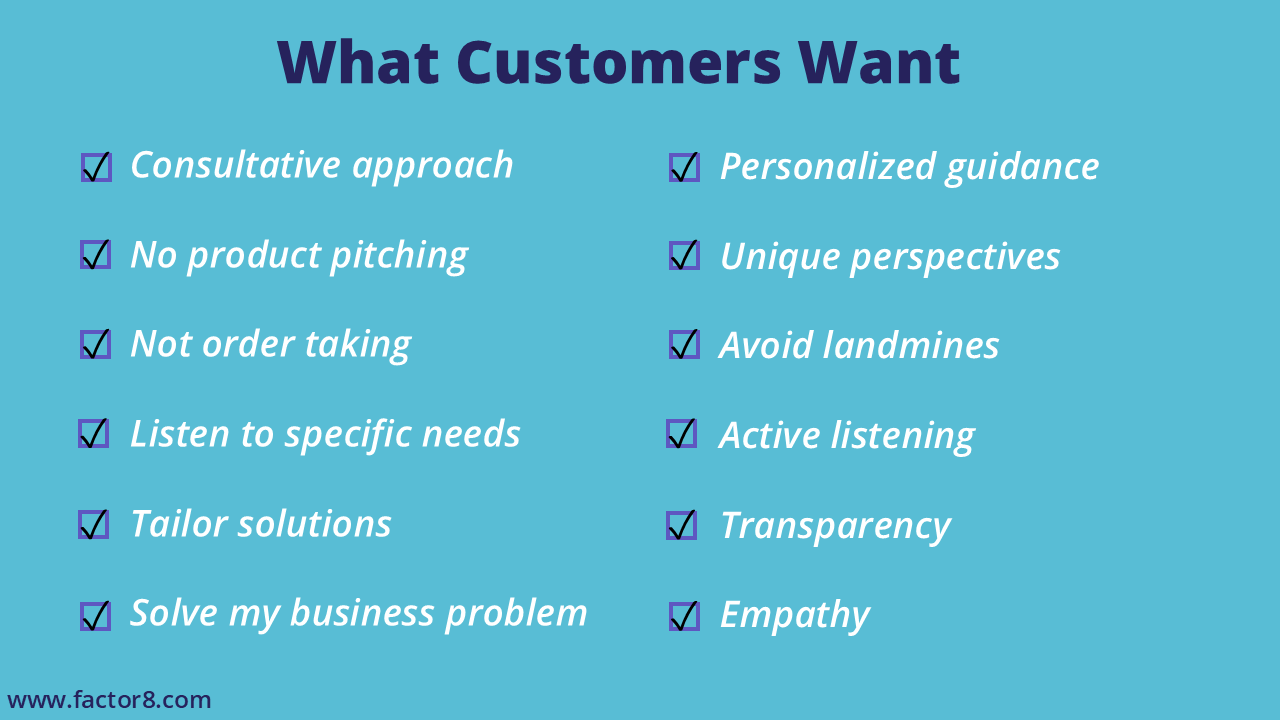
Today’s buyers are tougher to reach, harder to impress, and quicker to disengage. They’re researching solutions before they ever talk to sales. By the time they do, they already know the basics and expect you to bring insight, not information. Add in AI flooding their inbox with “personalized” outreach, and generic discovery and follow-up are easier than ever to ignore.
Consultative selling still works. But the old version doesn’t.
If your calls are focused on your process instead of their situation, if your demo looks the same every time, or if your follow-up sounds like everyone else’s, you’re not standing out. You’re blending in.
The good news? This is fixable.
Here are five ways to modernize your consultative selling so your conversations actually move deals forward.
WATCH: 5 Ways to Modernize Your Consultative Selling
1. Stop confusing qualification with consultative selling
This is where most teams get it wrong.
They think if they ask about budget, timeline, current setup, and decision criteria, they’re being consultative. You’re not. You’re qualifying. And listen, qualification matters. You need it. But if that’s the entire conversation, it feels transactional.
Buyers don’t want to sit through a checklist. They want someone who understands what’s actually going on in their business. Their situation, yes. But more importantly, their challenges.
Let’s be honest for a second. If your SDR calls are two minutes long, or your reps are jumping from surface-level questions straight into next steps, you’re not being consultative. If your AEs get to a second call and still don’t understand the business problem, you’ve already lost ground.
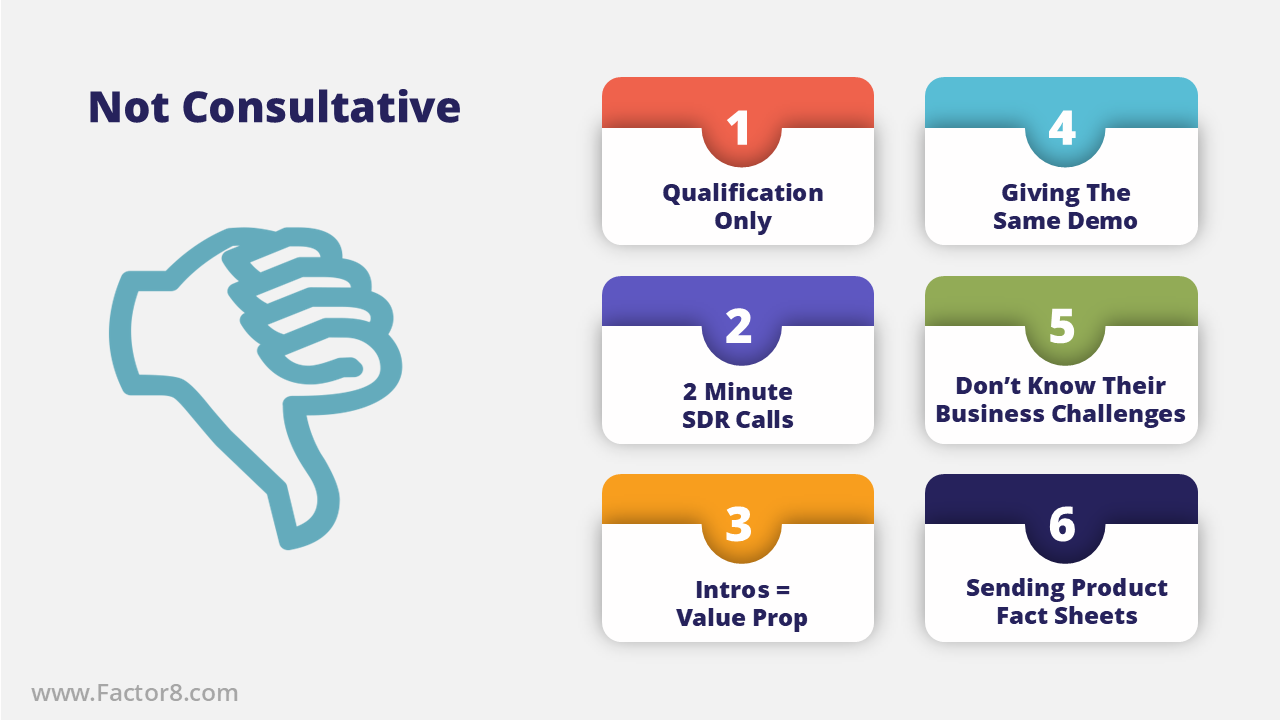
Consultative selling starts with understanding the situation and the challenge, not just gathering qualification data. When you get that right, everything else gets easier. When you don’t, the rest of the deal is built on assumptions.
2. Meet buyers where they are, not where your process starts
Your sales process is not the buyer’s priority.
Buyers today are doing their homework before they ever talk to you. They’re using AI, reading reviews, comparing vendors, and forming opinions early. By the time they show up, they’re often already well into their decision.

And then we reset them.
We run the same discovery. The same demo. The same sequence we’ve always used. It’s frustrating, and it slows the deal down.
Instead, ask a better question early: “Tell me where you are in your process.”
That question gives you immediate context. You understand how far along they are, what they’ve already evaluated, and what they still need. From there, your job is to guide them, not restart them.
Here’s the thing. Buyers may know more than they used to, but they still don’t know how to buy your solution the right way. That’s where consultative selling shows up. Not in controlling the process, but in helping them navigate it.
3. Ask better consultative selling questions before you pitch anything
The number one mistake in consultative selling is premature pitching.
We’ve all done it. You hear something that sounds familiar, connect a few dots, and jump into solution mode. It feels efficient. It feels helpful. It’s not.
When you pitch too early, you’re guessing. And when you guess wrong, you lose trust.
Most reps think they’re asking good questions, but a lot of those questions don’t actually move the deal forward. They check a box, lead into a pitch, or stay too high-level to uncover anything meaningful.
Good consultative questions go deeper. They uncover what’s happening right now, what’s not working, and what the impact of that problem really is. They clarify what success looks like and what matters most to the buyer.
And this is the part most people miss…
It’s not just about what they need. It’s about what they value.
Time. Money. Ease. Risk. Reputation. Control.
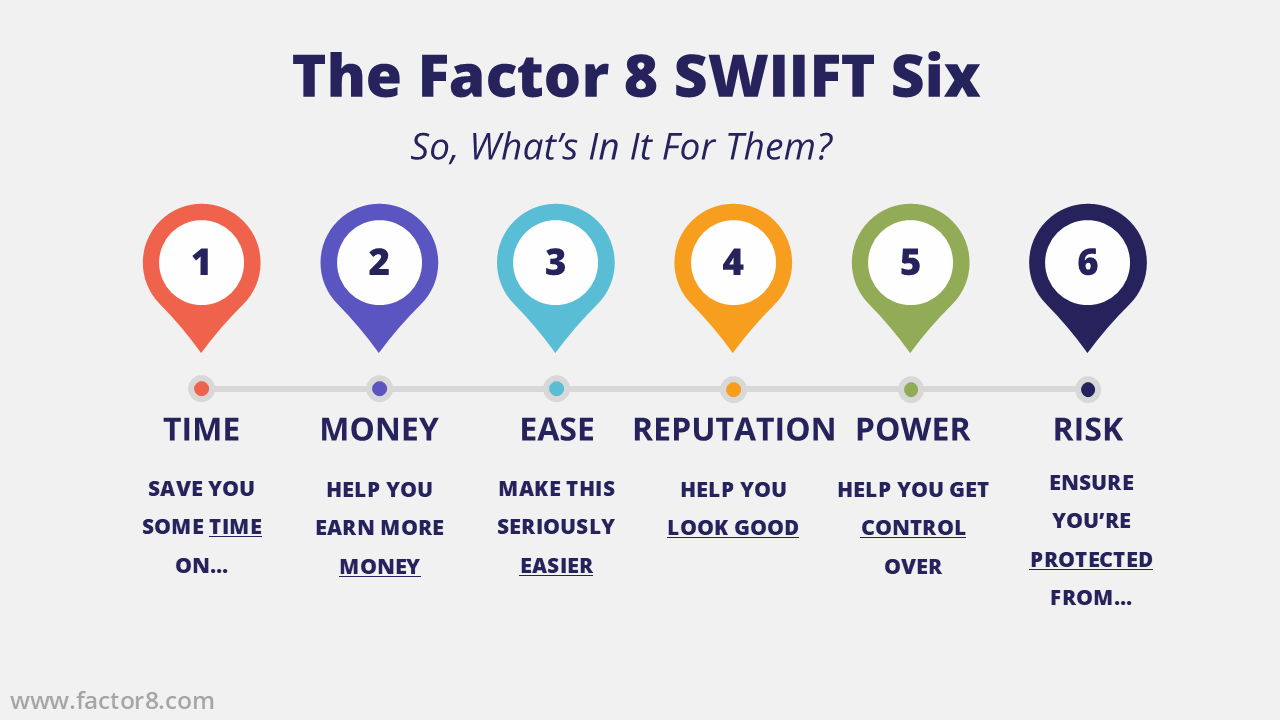
If you don’t know which one matters most, you can’t position your solution in a way that actually lands. You’ll fall back on features and functions instead of real benefits.
Questions aren’t a step before the pitch. They’re what make the pitch relevant.
4. Use AI to improve your consultative selling, not replace it
AI is everywhere in sales right now. Reps are using it for emails, research, call summaries, and forecasting. Buyers are using it too, which means the bar is higher.
If you’re using AI to create generic outreach or surface-level prep, you’re just adding to the noise. Buyers can spot it instantly.
The better move is to use AI to prepare smarter before the conversation.
Ask it what challenges your target industry is dealing with right now. Ask for strong discovery questions based on your ICP. Ask what buyers at different stages of the process care about most.
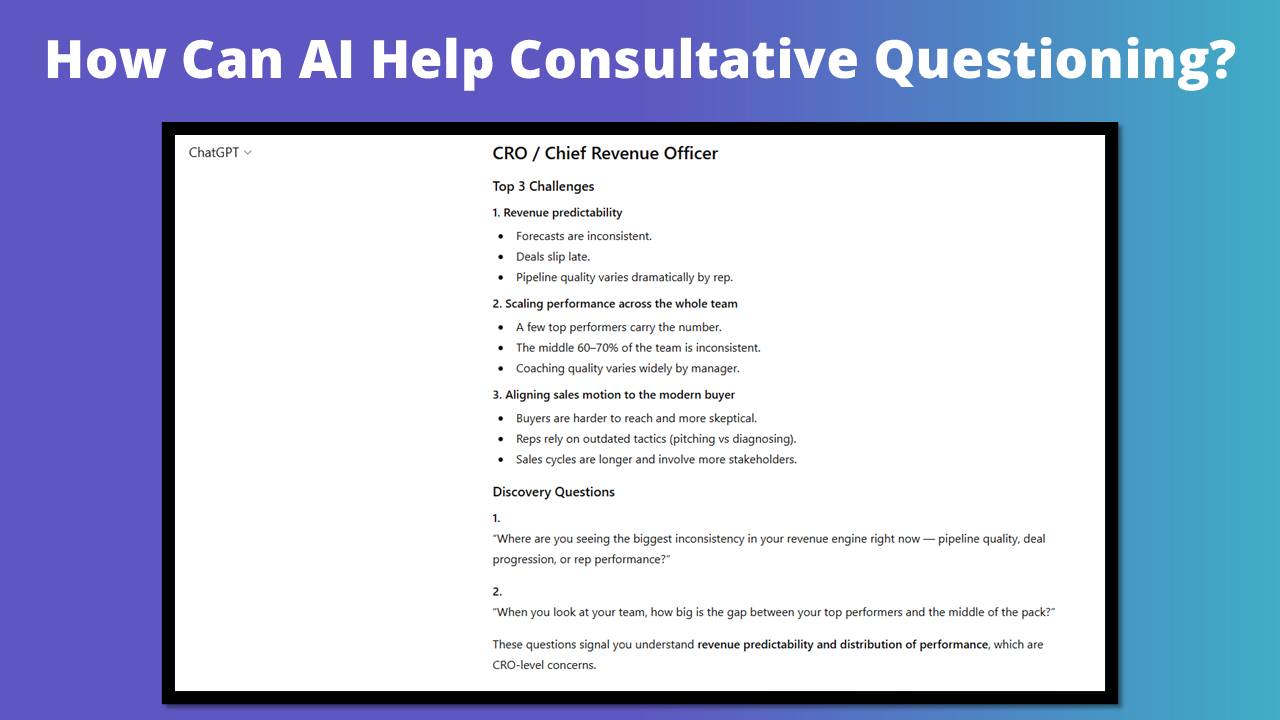
Now you’re walking into the conversation with context and intention.
That’s where AI actually helps consultative selling. It makes you more prepared. It does not make you more consultative on its own.
Because AI can’t listen. It can’t adapt. It can’t build trust in real time.
That part is still on you.
5. Make every follow-up part of the consultative experience
“Just checking in.”
We’ve got to retire it.
If your follow-up doesn’t add value, it’s getting ignored. Modern consultative selling doesn’t stop after the call. It shows up in every touchpoint.
Every follow-up should help the buyer think, decide, or move forward.
That could look like:
- Sharing a relevant insight or trend
- Sending a recap with clear next steps
- Providing a case study tied to their challenge
- Asking a question that moves their thinking forward
- Offering a resource that helps them avoid a mistake

If it doesn’t do one of those things, it’s noise.
And buyers don’t have time for noise anymore.
A simple rule to keep in mind… if your outreach doesn’t add value, don’t send it.
DOWNLOAD: 20 Value-Add Reasons to Call Your Customers
What is the biggest mistake in consultative selling?
The biggest mistake in consultative selling is pitching too early before fully understanding the buyer’s situation, challenges, and priorities.
When reps rush to solution mode, they skip the part that actually builds trust and relevance. That’s where deals stall, or disappear entirely.
Here’s the main takeaway
Consultative selling isn’t about asking more questions. It’s about asking better ones.
It’s not about slowing the process down. It’s about helping buyers make sense of it faster. And it’s definitely not about sounding polished while running the same play you’ve used for years.
Today’s buyers want someone who can understand their situation, guide them through decisions, and actually add value in every interaction.
If your team can do that, you’re not just being consultative.
You’re being useful.
And that’s what closes deals now.
Subscribe to our email list to receive new content, webinar invites, and training offers.
Top Sales Closing Techniques
So you put in the hard work, you hooked your prospect, you got to the decision-maker, and you’re at the finish line – it’s now time to close the sale.
Time to celebrate? Not quite yet…
A shocking 64% of reps don’t actually end up closing the deal. (and unsurprisingly enough, only 10% of customers will close themselves).
So, why aren’t most reps closing? Hint: there are 5 main reasons.
Keep reading to learn our top sales closing techniques. Buckle in, folks!
You Feel Too Pushy & Lack Confidence
I get it – you don’t want to come off as the “used car” sales rep and hound someone to get your deal finalized. Or maybe you’re just nervous and don’t have the full confidence to take that last step.
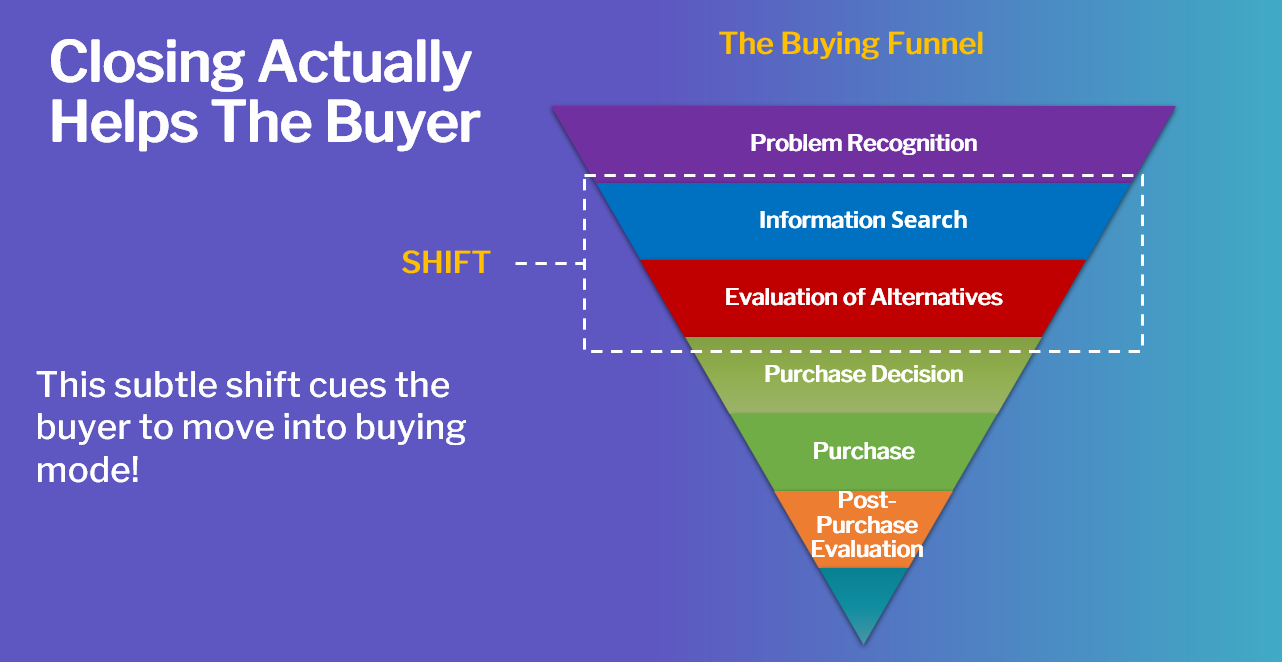
Let me help you out here – take a look at the graphic below of the buying funnel. Most prospects are stuck up in the top half – they’re in research mode!
When you lack the confidence to ask for the close, you’re letting them stay in an endless loop of research and evaluation without clear next steps. The reality is you should be offering clear steps on the VERY FIRST CALL to lead them into the evaluation phase.
Think about it like this: when you go to buy coffee in the morning or stop to pick up lunch, do you walk up and order? Or do you wait for someone to ask you what you want? You probably stared at the menu figuring out what to get and then someone asked if they could take your order, right? They prompted you out of your research and evaluation mode into the bottom half of the funnel!
Helping lead them into those next phases is the core of being a sales rep! It’s not pushy, and not doing it shows a lack of confidence. This is where you decide if you are a true salesperson or not.
Remember: Closing. Helps. The Buyer.
You Don’t Know How To Ask
If you’re worried it sounds too good to be true – it’s not! You can literally just ASK them questions to inch closer to the close. Okay, so the reality is that a lot of those go-to closes rely on cheesy or crappy tactics. Here are a couple good questions and statements for closing sales to steal:
- Ask a Question: Did we solve the problem? Did we meet your needs? Ready to move onto the next step?
- Make an Assumption: We’ll get this nailed down and start next week. When do you want to take delivery? (You’re acting like you’re already involved in the next step!)
- Which pitch: Which solution is a better fit right now? Which option is a better match for budget? Do you like option A or option B?
- Timeline: You mentioned wanting XYZ in place by next month – working backward we’ll need to ink the contract by next week.
- Add-On: If we can get this wrapped up by the end of the month, we can throw in an extra license and a live training.
DOWNLOAD: How to Transition to Close
You Need More Customer Info
Don’t make the super embarrassing mistake of lacking customer insight and information by the time you get all the way to closing!
CSO Insights estimates that 26% of deals are actually LOST because sellers weren’t fully aligned to a buyer’s needs before closing. Save yourself the time and hassle by making sure you know these before you get to close:
- What is the agreed customer goal or pain?
- What is the “why” behind the buy/value to them?
- What’s their budget & timeline?
- What does their buying process look like?
- What is their current state vs. desired state?
- Are there other options/competition?
- Any personal motivation here?
(Hint, if you need help coming up with a pitch that aligns with their value – check out SWIIFT℠!)
READ: SWIIFT℠ Selling Methodology
You’re Out of the Closing Habit
Closing is a muscle just like anything else – if you aren’t exercising it, you’re not going to know what to do with it when the time comes to use it!
You can close every single call you have with something we like to call closing for commitment.
Think about football for a second. You’ve got your first downs to lock it in – and instead of having to go all the way back, you get to start on THAT yard line. Now when you apply to this sales – even if it’s something small you’re getting a customer to make a commitment to you. That means next time you’re starting from THAT point! You’re taking up mindshare with them.
Here’s an example:
You’ll never have to ask yourself if it’s closed because you will know and you will OWN exactly what you need to do.
Always plan for the win!
READ: Increase Close Rates Fast With This Technique
You Don’t Know When to Close
Can you guess the most critical stage when it comes to closing?
Gong did a study on this, and believe it or not – the qualification stage is MOST important. Close rates decline by 71% when the next steps are not covered on that first call. Plus – deals that closed the fastest spent 1.53 times MORE talking about those next steps compared to other deals.
If you have a well-defined sales process, you’re 33% more likely to close your deals (TAS Group). And if you don’t know how to gauge when that is or how it plays out – do a trial close! Try something different!
Sometimes you have to abandon your sales script, and that’s okay.
Read: Quickly Transition to Close on Sales Calls
The more confident you get with closing, I promise the easier this gets. So don’t be afraid to get out there, practice, and remember that there’s a closing strategy for each and every one of those fears you might have. You got this – now go get those deals!
Subscribe to our email list to receive new content, webinar invites, and training offers.
4 Easy Tips (& Scripts to Steal) to Close More Deals [Webinar Recording]
4 Easy Tips (& Scripts to Steal) to Close More Deals
[Video Recording]
How to Stop Prospect Ghosting and Move Stalled Deals
In today’s world, it’s (unfortunately) become the norm for deals to stall out—even when everything felt great on the call.
You’re not imagining it, prospect ghosting has increased and sales cycles are longer (it’s brutal). But that doesn’t mean you’re helpless. By making some tweaks and improvements to your approach and outreach, you can get deals moving again.
READ: Top Sales Closing Techniques
Whether it’s ensuring you’ve locked in next steps, gotten a commitment from your prospect, or revived stalled conversations, these tactics will help you avoid deals slipping through your fingers.
1. Close Every Call
If you’re not securing the next step before you hang up, you’re missing out. Deals don’t move themselves, you have to drive them forward. That’s why it’s crucial to close every call. The best way to do this is by using the 4 Cs of closing:
- Check-in: Ask your prospect, “Did we hit all your top questions today?” This ensures they feel heard and reassures them that you’re paying attention.
- Commitment: Make sure everyone knows what’s expected before the next call. Are you sending them more info? Are they bringing pricing from a competitor? Clarify all deliverables to ensure everyone’s prepared. It sounds like, “Will you send over the pricing you received from the competition next week after your meeting?”
- Call bridge: Here’s where the magic happens. Lock in the next step on the spot. Don’t settle for a vague promise of a follow-up. Instead, say, “How does Tuesday at 10 AM look for us to review the proposal?” Pull up your calendars and nail it down before you hang up. No next meeting means no progress. Important: Don’t wait to do this 2 minutes before the call ends! Give yourself time to schedule the next call (so they’re not eagerly rushing to their next meeting).
- Close: Finish strong with a positive sign-off. “Thanks, I’m looking forward to our next call!” Leave the prospect feeling good about keeping the deal in motion.
TIP: Master the 4 Cs of closing by taking our course, “Closing Confidently”
Now, to ensure no prospect ghosting ensues, you need to lock in your next meeting with these three key steps:
- Calendar Invite: Don’t leave the meeting up to chance! Get them to pull up their calendar and schedule it right then. If it’s not on their calendar, it doesn’t exist.
- Reminder: As soon as you hang up, send a meeting invite with a clear agenda. This helps keep both of you accountable and sets expectations for the next conversation.
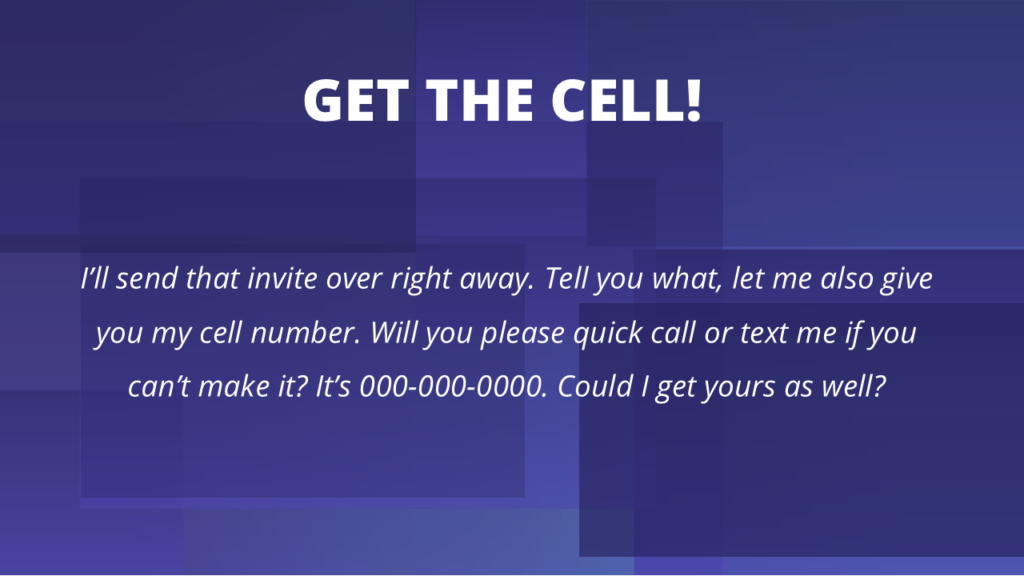
- Cell Phone: Always, always get their cell number. This is your backup plan in case they go dark. Having a direct line makes all the difference when it comes to securing that next call.
Combine the 4 Cs with these three steps, and you’ll ensure that every call ends with a solid plan and keeps your deals moving forward. No more ghosting, no more stalled deals!
2. Get a Customer Commitment
Don’t let the conversation end without getting a customer commitment. It’s simple: give them a little “homework” before the next call. When you ask a prospect to bring something to the table for your next meeting—like competitive pricing or feedback from their team—you secure mindshare.
Why does this work? People are less likely to ghost you if they’ve agreed to do something for the next step. It turns your prospect into an active participant, making them more invested in the process and, ultimately, the deal. This tactic keeps things moving forward while solidifying your partnership.
Here’s another way to think about it: Imagine your friend invites you to a party and asks you to bring the beer. You agree, but when the day comes, all you want to do is stay home in your sweats and binge Netflix. Then you remember, you promised to bring the beer, and your friend is counting on you. So, you get up, get dressed, and head to the party, knowing they’d be upset if you bailed after committing. That’s how mindshare works. By giving you a responsibility, your friend increased the chances you’d follow through.
Securing even a small commitment can be the difference between a deal that fizzles out and one that’s locked in with purpose and momentum.
TIP: Take our 15-minute online course “Getting Deals Moving” to get more customer commitments
3. Re-engage Prospects
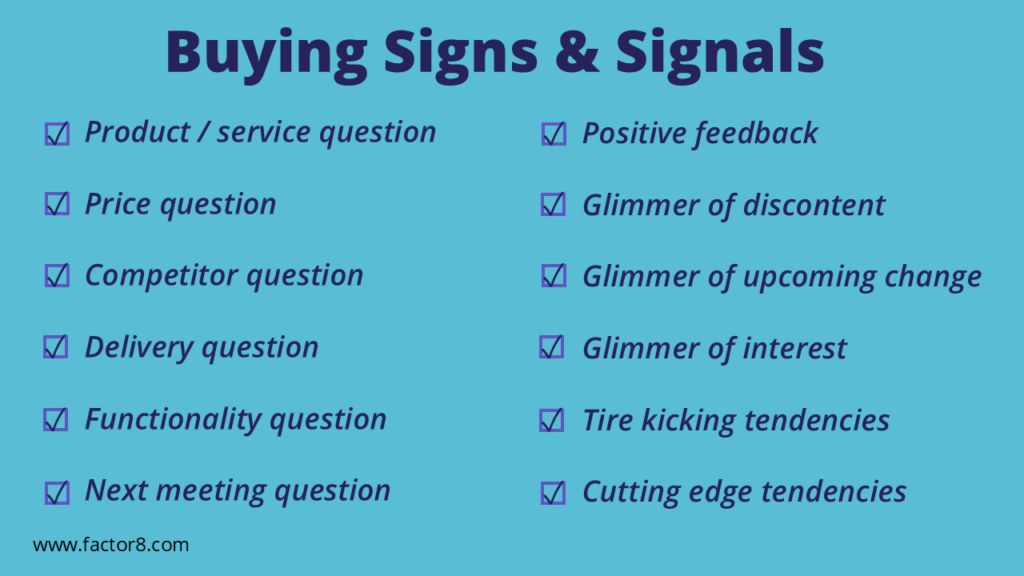
When a deal stalls or a prospect ghosts, it’s easy to assume all is lost. But a stalled deal doesn’t mean a dead deal! To re-engage those quiet prospects, you need to get creative and tune into buying signs and signals. What’s going on under the surface? Are they asking about functionality or delivery times? Are they showing glimmers of interest but not committing? Recognizing these signals helps you approach the next touchpoint strategically.
Mix up your communication channels and don’t just stick with email. Reach out through LinkedIn, send a personalized video, or even text (that is, if you’re text buddies). Keep your messaging light but direct. Something like, “Hey, are you buried in work? Let’s reconnect when you’re ready,” shows empathy. Or, if you want to go a bit bolder, say, “Did I drop the ball somewhere?” to draw out what’s really happening.
Urgency also plays a role here. Is there a deadline approaching or a new feature/product that could catch their attention? Mention that to reignite their interest and get them back in the conversation. And when you do get them back on the phone, don’t book them two weeks out. Leave room for urgent follow-ups so you can capitalize on those buying signals.
READ: How to Quickly Transition to Close on Sales Calls
In this tough sales environment, deals won’t close themselves (in fact, only 10% of customers close themselves). You need to be proactive in securing next steps, getting commitments, and re-engaging prospects when things slow down. Whether it’s using the 4 Cs to bridge every call, locking in a prospect’s commitment with small tasks, or mixing up your re-engagement tactics, these strategies will get your deals moving and keep them on track for a win.
The insight in this article was shared in our webinar, “3 Tips to Get Deals Moving NOW (So You Hit Quota!)”
Watch it here: https://factor8.com/get-deals-moving-workshop/
Subscribe to our email list to receive new content, webinar invites, and training offers.
3 Tips to Get Deals Moving NOW (So You Hit Quota!) [Webinar Recording]
3 Tips to Get Deals Moving NOW (So You Hit Quota!)
[Video Recording]
5 Critical Tips for New Account Executives
Congratulations on your promotion to AE! Transitioning from an appointment setter, qualifier or SDR/BDR to an Account Executive who carries a revenue quota and closes deals is a BFD. Here are five skills that can help you make goal faster!
1. Slow WAY Down. As a BDR, the game was speed. A hundred calls, ten conversations, and one yes. The good calls were under 10 minutes and you were careful not to dive too deep. As an Account Executive, it’s a common mistake to try and also pack your calendar with cookie-cutter demos in the hopes 10% will close. Be better.
The Account Executive’s role is to add so much value to the prospect that they overcome their resistance to change and buy. That won’t happen in 10 minutes or 60 minutes, and it won’t happen the same way each time. So slow down and get to know the prospect. Why did they take the meeting? What’s happening in their world? Why is it a challenge? Why is it important to fix? What have they tried? What happens when it’s better?I could keep going here, but I hope you get the picture. Spend time instead discovering their situation AND their top priorities and values because these are their motivators to change. At Factor 8, we’ll give you a gold star if you don’t share your screen or your solution once in the first call. Truth: we don’t give out a lot of gold stars.
2. Be SWIIFT℠. Heard of that before? It’s the opposite of WIIFM and it means, “So, What’s In It For Them?” We want you to take this to the extreme and make as many of your calls as possible about them instead of you. The average AE will ask 3-4 questions and then launch into their slides/demo/solution.
This hurts them in several ways:
- They come off like a typical self-centered salesperson
- They leave opportunity on the table by not digging out the whole need
- They haven’t found a personal connection or the prospect’s motivation
- The prospect quits listening and goes dark
So, go deeper and seek to understand. Seek to help. Make it all about them for the entire first call and as much of the second and third as possible. Even during your demo, we teach you to only cover a specific and abbreviated number of items and to stop sharing at least 50% of the call. Ditch the sales speak and value props and pitches and competitive data and do all you can to understand and add value.
3. Bridge Every Call! Unlike your old job, closing deals will take multiple calls. Always set up your next call before getting off this one. Like, always. It’s called a bridge. The best bridges have appointments booked in the calendar with invitations and agendas sent immediately. If we can’t get that, they at the very least agree on a day you will call back (and try to get them to block the time!). This simple skill takes 3 minutes to accomplish and will save 3 hours of time chasing down leads you thought were interested but who won’t return your emails. It’s sort of like “never wake a sleeping baby” – never hang up on a live prospect (without bridging to the next call).
4. Be a Calendar Ninja. Suddenly you need time in your day for more than just outbound appointment setting (but pretty please still do that too!) Get strategic and block times in your calendar for research, client meetings, follow-ups, emails, and outbound prospecting. You’ll also need time to build your custom proposals/demos/solutions for clients. It’s a lot more to juggle! You may even be used to a tool telling you who to call and when if you used a great sales cadence solution like Outreach. But now you need to be strategic about when you call, build, respond, and research. It’s easy to get buried in emails and snoozed CRM tasks, and NOT systematically and proactively review your CRM for actions to take to keep your pipe full and leads warm. It’s a common mistake and it takes serious time management skills.
5. Master the Meeting. It can be intimidating to move from a 10-minute 1:1 call to running a pitch to a prospect team. 60 minutes, 5 people, and LOTS of pressure (and doing it virtually to boot!) To run a killer sales meeting, always start with an agenda and introductions. Think of it like you’re hosting an open house. Thank people for coming, learn something about them, find out their goals, and put them at ease. Remember, these meetings are as much about YOU as your solution, because people buy from people they like, and nobody likes being instantly pitched!
Try dressing up a level, add some professional flair to your background, use your rapport-building techniques, and do everything you can to get cameras ON and screen sharing OFF (a Gong study showed that discovery meetings run with you sharing slides means you do most of the talking instead of the other way around). Share your agenda and ask if they have specific questions or items to add before diving into the meat of the meeting. And always be sure the meat starts with SWIIFT℠ questions instead of your pitch! Practice kicking off meetings with a few colleagues until you sound and feel confident!
There’s a lot to master in your new role, but these five skills will help you stay in front of the learning curve!
Subscribe to our email list to receive new content, webinar invites, and training offers.
How to Sell to C-Level Executive [Webinar Recording]
How to Sell to C-Level Executive
[“Sales Shot” Workshop]